.png)
Sleep Training Methods Compared: Cry It Out, Ferber, Chair Method & More

If you’ve been Googling “sleep training methods compared” at 2 a.m., you’ve probably discovered there are approximately one million opinions about the “right” way to get a baby to sleep.
Cry it out. Ferber. The chair method. No-cry sleep training. Check-ins. No check-ins.
So which one actually works?
Here’s the answer I want every exhausted parent to hear: the best sleep training method is the one that works for YOUR baby and YOUR family.
Research supports behavioral approaches to improving infant sleep, but there isn’t one single method that has been proven to be universally best for every baby.[1] Your baby’s temperament, your parenting style, your comfort with crying, your schedule, and your ability to stay consistent all matter.
Sleep Training Methods Compared: What Are the Main Options?
Most sleep training methods exist somewhere on a spectrum from less parental involvement to more parental involvement.
At The Peaceful Sleeper, I don’t believe you need to squeeze your baby into a rigid method. Instead, I want you to understand the options and then customize the approach.
Here are four of the most common.
Cry It Out Sleep Training
Cry it out, or CIO, usually involves completing the bedtime routine, putting your baby into their crib awake, and giving them space to fall asleep independently without repeated parental check-ins.
Best fit for: Families who want a faster, clearer approach and babies who actually become more upset when parents repeatedly come in and leave.
Potential downside: There can be crying, and for some parents, the emotional difficulty makes it nearly impossible to stay consistent.
Cry it out also isn’t the only way to teach independent sleep. If it doesn’t feel right for your family, read more about our sleep training alternatives to cry it out.
The Ferber Method
The Ferber method is a form of graduated extinction. Instead of leaving your baby without returning, you check on them at planned intervals, generally increasing the amount of time between check-ins.
In a randomized controlled trial involving infants ages 6 to 16 months, graduated extinction and bedtime fading both improved aspects of infant sleep compared with sleep education alone. Researchers also found no significant differences in attachment or emotional and behavioral outcomes at the 12-month follow-up.[1]
Best fit for: Parents who want clear structure but also want opportunities to reassure their baby.
Potential downside: Some babies become significantly more upset when a parent keeps appearing and disappearing. If your check-in escalates the crying every single time, that information matters and you may want to pivot to a different method.
The Chair Method
The chair method, sometimes called camping out or parental presence, keeps you physically close while your baby practices falling asleep independently.
You may begin next to the crib, then gradually move farther away over subsequent nights until you are eventually outside the room.
Best fit for: Families who want a gradual approach and feel better remaining physically present.
Potential downside: It generally requires more patience and parental involvement. For some babies, having a parent right there without receiving their usual level of help can actually be frustrating.
I have a full step-by-step guide to using the chair method for sleep training if this sounds like your style.
No-Cry or Gentle Sleep Training
No-cry sleep training usually makes smaller, more gradual changes to the way a baby falls asleep. Parents may slowly reduce rocking, feeding, bouncing, holding, or other sleep associations while continuing to offer significant reassurance.
Best fit for: Parents who strongly prefer a slower approach with lots of hands-on support.
Potential downside: Gentle does not necessarily mean easy, and “no cry” unfortunately cannot guarantee literally zero crying. Babies can protest change even when a parent is right beside them.
If minimizing crying is really important to you, my guide to no-cry sleep training goes much deeper.
What Is the Most Successful Sleep Training Method?
There is no single sleep training method that wins for every baby. I know- probably not what you want to hear.

Research shows that behavioral sleep interventions can improve infant sleep, but studies have supported more than one approach.[1] A five-year follow-up of a randomized behavioral sleep intervention also found no evidence of meaningful long-term differences in children's emotional health, behavior, stress, or parent-child relationships compared with controls.[2]
So instead of asking, “Which method is best?” I want you to ask:
Does my baby settle better with more space or more reassurance?
Do check-ins calm them down or fire them back up?
How much crying do I think it appropriate for my baby?
Can I follow this plan consistently at bedtime and during night wakings?
Is my baby’s daytime schedule supporting good nighttime sleep?
Are there still legitimate nighttime feeding needs?
You can also read my guide on how to choose the best sleep learning approach for your baby.
And if you look at that list and think, “I genuinely have no idea,” that is exactly what a personalized sleep consultation is for. We can help you build a plan around the needs and preferences of you and your baby.
When Should You Start Sleep Training?
For more structured independent sleep work, around 4 months and older is a common starting point because infant sleep patterns become more organized around this age. The American Academy of Pediatrics notes that babies do not develop more regular sleep cycles until around 4 months and offers independent-settling guidance specifically for babies 4 months and older.[3]
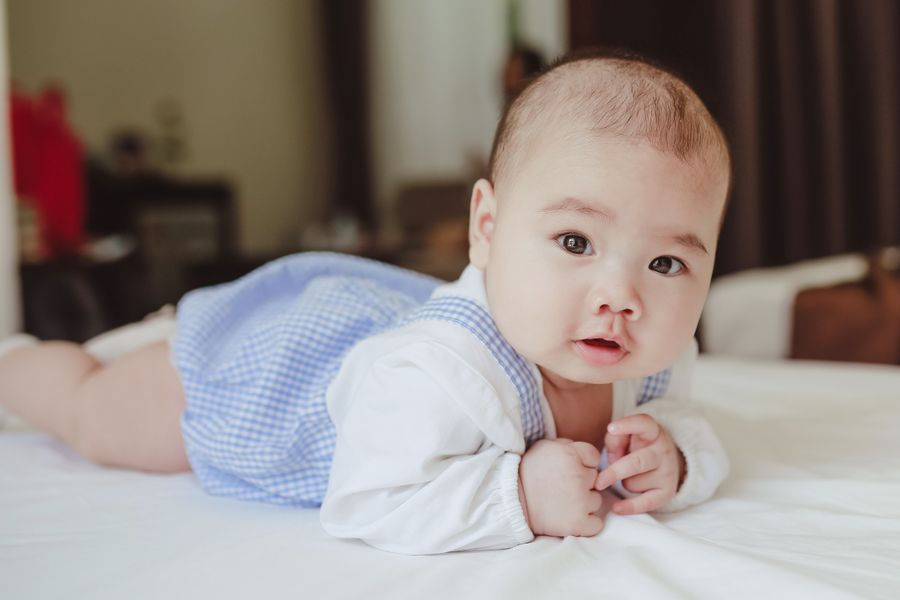
That doesn’t mean every baby magically becomes ready on their four-month birthday.
Before beginning, consider:
Baby’s age and development
Growth and feeding needs
Medical concerns
Whether daytime sleep and wake windows are appropriate
Whether your baby can practice falling asleep independently
Whether you, as the parent, actually feel ready to be consistent
For younger babies, the goal is generally building healthy sleep foundations rather than using a formal cry-based program. Here’s more on when you can start sleep training or sleep learning.
What Is the 5-3-3 Rule for Sleep Training?
The term “5-3-3 rule” can be confusing because it is not one standardized, evidence-based sleep training method, and the term is used differently across parenting resources.
You may see it used to describe timing between nighttime feeds, wake-window schedules, or even timed check-ins.
So I would not build your baby’s sleep plan around “5-3-3” simply because you saw it online. Feeding intervals, wake windows, and check-in intervals should all be based on your baby’s age, development, schedule, feeding needs, and the sleep approach you’re actually using.
This is a perfect example of why sleep advice gets so confusing online: a catchy formula sounds wonderfully simple, but babies are rarely that simple.
The Best Sleep Training Method Is the One That Fits Your Baby
Sleep training doesn’t have to mean choosing between “let them cry all night” and “never let them cry for even one second.”
There is a huge middle ground.
You can be responsive and still teach independent sleep. You can modify intervals. You can offer more support to a sensitive baby. You can choose a faster approach for a baby who gets frustrated by prolonged parental involvement.
And you are allowed to pivot when something clearly isn’t working.
If you want someone to look at your baby, your schedule, your feeding situation, your comfort level, and your goals, book a sleep consultation! We’ll help you create an individualized sleep training plan that fits YOUR baby and YOUR family.
Sources & Footnotes
Behavioral Interventions for Infant Sleep Problems: A Randomized Controlled Trial — Pediatrics. Randomized trial comparing graduated extinction, bedtime fading, and sleep education in infants ages 6–16 months.
Five-Year Follow-up of Harms and Benefits of Behavioral Infant Sleep Intervention — Pediatrics. Long-term follow-up examining child mental health, stress, sleep, and parent-child relationships after a behavioral infant sleep intervention.
Getting Your Baby to Sleep — American Academy of Pediatrics/HealthyChildren.org guidance on infant sleep development and independent settling.


Comments